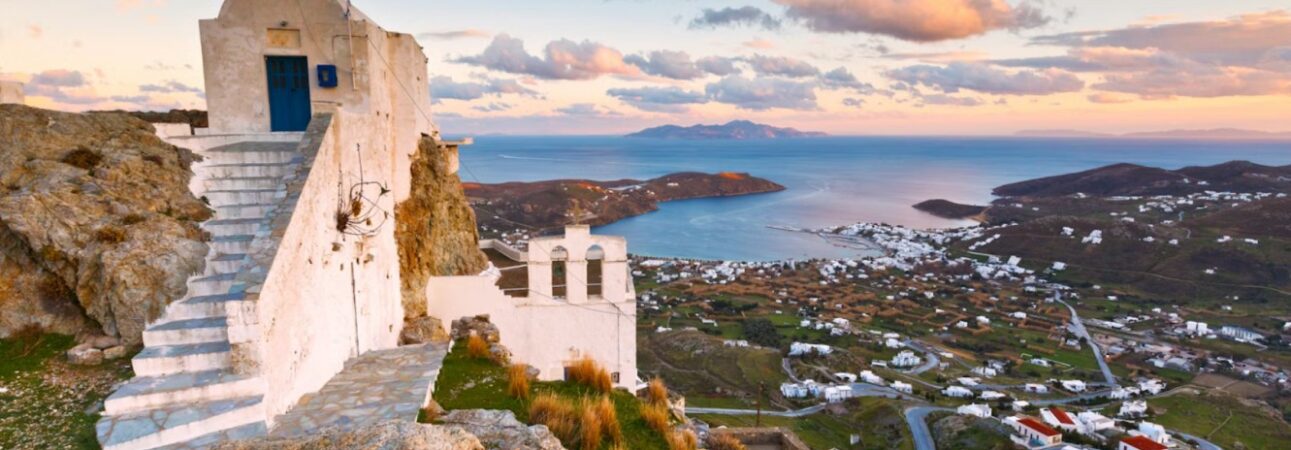
Greece offers travelers more than pretty photos; it can change how they see a place. You might stand beneath the Parthenon at golden hour, taste fresh octopus on a Cycladic dock, or wander village lanes unchanged for centuries.
Yet not every tour creates that feeling. Some rush past the sights, while others miss them completely. This guide helps you find the best Greece tours in 2026, with experiences beyond the postcard views.
What Makes a Greece Tour Worth Taking
It’s a fair question, since many Greece tours compete for your time and money. We find that a memorable tour depends on three things: strong local knowledge, a good pace, and plans that fit your interests. For more ideas, explore Greece tours and Tours In Greece.
A passionate local guide can explain why the Erechtheion’s Caryatid maidens face a certain way. That feels different from hearing a rehearsed script read from a laminated card. The best Greece tours give you time to understand each place.
Pacing matters just as much because Greece holds meaning at every turn. Spending only 45 minutes at Delphi can feel like an insult to the Oracle. A thoughtful plan lets you see more without rushing.
At mygreecetours.org, we plan trips around these ideas: expert local guides, carefully chosen stops, and time to take in Greece. A tour worth taking is more than a checklist. It gives you a story to share at home.



Top Types of Greece Tours to Consider
Greece offers something special for almost every kind of traveler. The key is finding a tour that matches what you want from your trip. Here are three types that often give travelers rewarding experiences. The best Greece tours fit the way you like to travel.
Ancient History & Archaeological Tours
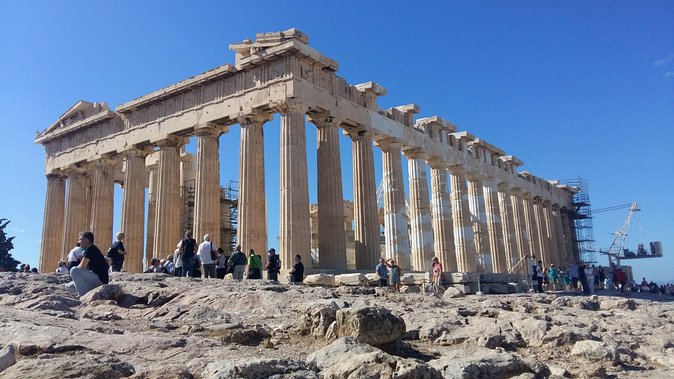
For history fans, Greece feels like an open-air museum. The right guide can turn its past into a story you can follow. Athens alone could fill a week, with the Acropolis, the Ancient Agora, and the National Archaeological Museum.
You can also visit the lesser-known Kerameikos cemetery, where marble grave markers still stand quietly. The best archaeology tours also travel beyond Athens. At Mycenae, the Lion Gate has stood since 1250 BCE.
Olympia is where the ancient Games began. There, you can walk through the tunnel used by the athletes. At Epidaurus, the 14,000-seat theater carries a whisper from center stage to the back row.
A good guide can make details like that stick with you. We recommend multi-day tours of the Peloponnese or a combined Athens-Delphi-Meteora trip for travelers who want to explore ancient history.


Book tours:
- See Naxos Greece: The Ulitmate Guide & Incredible Things to Do.
- See Nisyros.
- See Paros Greece Travel Guide: Things to Do in Paros, Explore Paros Island .
- See Patmos.
- See Paxi Antipaxi Tours: Explore Paxos and Antipaxos – Experience Paxos Tours & Antipaxos Tours.
- See Pelion Greece: The Ultimate Pelion Travel Guide.
- See Poros.
- See Rhodes Private Tours: Explore Rhodes Destinations & Attractions | Rhodes Greece Excursions & Tours.
- See Samos Dream Tours: Explore Samos Tours, Excursions & Samos Greece Experiences.
- See Santorini Greece Travel Guide: Best Things To Do in Santorini.
- See Serifos.
- See Sifnos Travel Guide: Your Ultimate Sifnos Guide to Visit Sifnos Island in Sifnos Greece.
Greek Island Hopping Tours
Island hopping is one of the best-known ways to see Greece, and for good reason. The country has over 200 inhabited islands. Each has its own character, food, and coastline. The best Greece tours help you choose island stops that work well together.
The Cyclades include Santorini, Mykonos, Naxos, and Paros. They remain popular and are truly beautiful. The Dodecanese, including Rhodes, Kos, and Patmos, offer medieval forts, blue Aegean waters, and fewer crowds.
The Ionian Islands, including Corfu, Kefalonia, and Zakynthos, are greener and show Venetian influence. They also have turquoise coves and olive groves. Good planning helps you enjoy the different feel of each island group.
Guided island-hopping tours handle the tricky details for you. They arrange ferry schedules, stays, and local connections. We help travelers choose island combinations that fit their style, from sunsets in Oia to snorkeling near Milos’s volcanic beaches.


Food, Culture & Immersive Local Experiences
Greek food is more than tasty; it reflects the country’s culture. A tour of Athens’ Varvakios central market can show how Greeks live. So can a cooking class in a Cretan village or wine tasting at a family-run Nemean vineyard.
Cultural tours are growing in 2026, and for good reason. Travelers want to do more than watch; they want to take part. The best Greece tours can include joining an Aegean fisherman for an early catch.
You might also learn to make spanakopita from a grandmother in Thessaloniki. Or you could hear Byzantine chants inside a working monastery. These activities let you share in local life.
These experiences are hard to arrange on your own. Guided cultural tours, especially small-group trips, can offer access that solo travelers may not find. The best Greece tours make room for meaningful local experiences.
How to Choose the Right Greece Tour for You
There isn’t one “best” Greece tour for everyone. The right choice depends on what matters to you. Ask yourself a few honest questions before you decide. That can help you find the best Greece tours for your needs.
What interests you most? Is it history and ruins, island beaches, food and culture, or a mix? Many travelers find they have one main interest after thinking it over.
How do you like to travel? Solo travelers often enjoy small-group tours. They offer a chance to meet people while leaving room for flexibility. Couples and families may prefer private guides.
Large groups have their own needs and often work best with custom plans. The best Greece tours match the group size and style to the trip. Think about what will help you feel comfortable.
What pace suits you? Some travelers want a packed trip, with seven cities in ten days. Others prefer two hours at a taverna without feeling rushed. Know your rhythm before you book.
What’s your budget? Small-group Greece tours can start around $80–$120 per day. Private luxury experiences can cost $500+ per day. Midrange guided tours, at roughly $150–$300/day, often balance access and value.
At mygreecetours.org, we offer a personal matching process, so you don’t have to guess. Tell us what matters to you, and we’ll build or recommend a plan that fits.


Best Time of Year to Book a Greece Tour
Choosing the right time can shape your whole trip. A well-timed tour may feel like a dream, while heat and crowds can make travel harder. Here’s what to expect. The best Greece tours can be found across the year.
April through June is our top choice for most travelers. The weather is warm but not too hot, and wildflowers still bloom in rural areas. Crowds at major sites like the Acropolis are manageable.
It’s also shoulder season, so tours and places to stay often cost less. The best Greece tours during these months can make it easier to enjoy the main sights without peak-season crowds.
September and October are close behind. Summer crowds have faded, but the sea is still warm enough for swimming. Autumn light in Greece is bright and beautiful, with long shadows that make photos look painted.
July and August bring the hottest weather, highest prices, and biggest crowds. Athens streets often reach 38–40°C. Still, summer island-hopping tours have their own energy, with beach clubs, late dinners, and long days by the Aegean.
November through March is the off-season. Many island businesses close, but Athens and Thessaloniki stay open. Winter tours about archaeology and culture can be rewarding and cost much less.
Book early, whatever time of year you plan to visit. The best Greece tours in 2026 are filling months ahead. Small-group and private trips during the shoulder-season periods are especially popular.
Which of the best Greece tours work for a long weekend in Athens?
For a long weekend, the best Greece tours focus on Athens sights that sit close together and leave room to rest. A local guide can connect famous places with the streets around them. This keeps travel time low and gives each visit a clear purpose.
Choose a focused route through central Athens
For a short visit, the best Greece tours often link the Acropolis with the old town below. The Acropolis is a high, rocky hill with ancient temples at its top. Nearby streets make a slower walk easy after the climb.
A guided walk can explain how the Parthenon served as a temple to Athena, the city’s guardian god. Its columns and carved stone show how builders worked without modern tools. A good route also allows time to look, ask questions, and sit in shade.
Use an Athens plan for first visits to group nearby sights, rather than crossing town for each stop. A single area gives the day a natural shape. That matters when the trip has little spare time.
Some of the best Greece tours pair the old town with the Ancient Agora, a former market and meeting place. There, visitors can picture how people traded goods and debated public matters. A guide can explain civic life in plain words, without turning the walk into a lecture.
Add one outing beyond the city center
Athens also works as a base for a day beyond the center, if the schedule has room. The Greece tours from Athens page can help compare routes that start in the capital. Choose one clear goal instead of packing several far-off stops into one day.
For a trip with flexible plans, the best Greece tours can include a nearby coast or a small town. The change of scene gives the city visit contrast. It also keeps the day simple, because the group follows one main route.
Check day trips from Athens when a longer outing feels useful. A short ride can lead to a site with a different view of Greek life. The best choice matches the traveler’s energy, not a long list of stops.
Some visitors prefer plans that stay within Athens for the whole weekend. That leaves space for a museum, a calm meal, or a return to a favorite street. A balanced plan feels fuller than a rushed checklist of sights.


How do the best Greece tours compare with self-guided trips?
The best Greece tours add structure and local insight, while self-guided trips offer more control over pace and stops. Neither style suits every traveler. The right choice depends on how much planning feels enjoyable and how much help the route needs.
What a guide adds to a visit
One strength of a guided visit is that a guide links places to people and daily life. A ruin can seem hard to read without context. A simple story helps visitors see why the place mattered.
Only state-licensed guides may lead groups inside Greek archaeological sites and museums. This rule protects visitors and supports accurate explanations. Check that the tour lists a licensed guide when its route enters those sites.
The guide to choosing a Greek tour offers useful points for comparing options. Look for a clear route, time for questions, and honest notes about walking. The best Greece tours make those details easy to find before booking.
A private guide can adjust the pace and focus on a group’s interests. The private tour planning guide explains what that format can offer. The best Greece tours in this style cost more than shared trips, but suit visitors who value personal attention.
When planning a route alone works well
A self-guided day suits people who enjoy maps, signs, and making small changes along the way. The self-guided planning guide can help build a route with nearby stops. The best Greece tours are not always guided; a clear plan can work just as well.
Independent travel also makes pauses easy, which helps families and visitors who tire at different times. Travelers can spend longer at a place they enjoy, then skip a stop that holds less interest. That freedom has real value on a busy trip.
Costs differ by format, so compare the full day rather than one ticket or fee. A group tour may include transport or a guide, while a self-guided plan uses the traveler’s time. Value comes when a tour’s service solves a real need.
Group outings can make new company and shared stories part of the day. The guide to Greek group tours covers planning for parties. The best Greece tours in a group keep meeting points clear and give everyone a fair chance to hear.
What should travelers pack for the best Greece tours?
Pack light layers, steady walking shoes, sun cover, water, and a small bag for the best Greece tours. The goal is comfort, not carrying every item from the hotel. A simple kit makes walks, transit, and stops easier to manage.
Keep the day bag simple and useful
Comfortable shoes matter on routes with stone paths, stairs, or uneven ground. The light packing guide for Greece has tips that also help city visitors. Walking feels easier when feet stay comfortable from start to finish.
Carry a refillable water bottle, a hat, and sunscreen in warm weather. A light shirt can cover shoulders at exposed sites. The best Greece tours often move between sunny streets and shaded rooms, so easy layers help.
Keep a small amount of cash, a payment card, and a photo of key travel details apart from each other. A secure bag worn close to the body helps on crowded transit. Read these Greece safety tips before setting out.
For a guided day, a small snack can help when meals fall between planned stops. Choose something that travels well and leaves no mess. Keep room for a phone, tickets, and any medicine needed during the day.
- Walking shoes with a firm sole
- Hat, sunglasses, and sun lotion
- Water bottle and light snack
- Light layer for cool indoor spaces
- Small bag with secure closures
Match what you carry to the route
A museum day calls for less gear than a long walk across open ground. Check the route notes for stairs, shade, and time outdoors. The best Greece tours explain these points so travelers can pack for the actual day.
Leave bulky items at the hotel when possible, and keep hands free on steps. A compact bag is easier on narrow lanes and in busy rooms. It also makes it simpler to keep track of personal items during a guided stop.
Some travelers need a light layer even on a bright day, especially in air-conditioned rooms. A thin scarf or shirt takes little space and serves more than one purpose. These small choices make a tour day more relaxed.
Before leaving, check that the phone is charged and that needed addresses are saved offline. This is useful when a signal drops or a group moves through a large site. A little planning helps cover simple needs early.
How do the best Greece tours deal with heat and crowds?
The best Greece tours reduce strain by using shaded breaks, clear meeting points, and routes that avoid needless backtracking. Visitors cannot control the weather or how many people arrive. They can choose a pace and plan that make the day easier.
Build comfort into the route
On hot days, a shorter walk with regular water breaks is easier than a packed route. A hat and shade matter on open stone ground. The best Greece tours leave room to slow down without losing the main purpose of the visit.
Start with the most exposed stop when energy is fresh, then move toward shade or an indoor visit. This order reduces time under direct sun. It also gives the day a natural flow rather than sending visitors back and forth.
Check the Greece weather and crowd guide when planning a future trip. Conditions change by place and season. The best Greece tours adjust their pace to the day, not just to a fixed list.
Choose a meeting spot that is easy to recognize, such as a marked entrance or public square. Agree on what happens if someone falls behind. Good tour leaders share these details before the group starts walking.
Handle busy places with patience
Popular sites can feel crowded near narrow paths and main views. Staying with the guide and keeping bags close helps the group move safely. The best Greece tours also let visitors pause without blocking other people.
Do not expect every photo to have an empty background. Step aside when others need to pass, and wait for a clear space before taking pictures. This small courtesy makes a busy visit better for everyone.
Travelers who prefer more room can choose a private outing or a quieter route. A tour does not need to visit every famous spot in one day. A smaller plan can leave more time to notice details and enjoy a calm break.
Keep water nearby and follow local signs, especially around old stone, stairs, and site barriers. Ask the guide before entering a closed area or leaving the route. A careful visit supports both travelers and historic places.
Which of the best Greece tours explore the Peloponnese by road?
The best Greece tours for the Peloponnese follow clear road routes between ancient sites, seaside towns, and mountain scenery. A good plan leaves time for short walks and quiet meals. It also keeps long drives from crowding out each stop.
Choose a route that links the main sights
The Corinth Canal makes a striking first stop, with steep walls cut through rock beside the road. From there, travelers can continue to Mycenae, where old stone walls and royal tombs tell stories of early Greek rulers. The best Greece tours connect both sites without rushing.
At Mycenae, a guide can explain how the ancient kingdom worked and why its walls mattered. Archaeology means learning about past people through objects and buildings. A visit feels clearer when travelers know what they are seeing, rather than just passing through the ruins.
Epidaurus is known for its ancient theater, built for plays and public events. Its shape helps voices carry across the open seating area. Travelers can pair the site with Nafplio, a nearby town with a calm harbor, walkable streets, and places to rest.
A road plan should leave room for each stop, not only the drive between them. Travelers can compare mainland scenic drives before choosing a route. The best Greece tours balance famous landmarks with breaks for food, views, and simple local walks.
Give the southern sites enough time
Olympia helps visitors understand the ancient games, which began as contests held for worship and honor. The site includes remains of sports grounds and temples. A plain-language guide can explain how public life, faith, and sport came together in ancient Greece.
Mystras offers a different view of the past through churches, homes, and stone paths on a hillside. It was a major town in the later Byzantine period, when the eastern Roman Empire ruled from Constantinople. The best Greece tours explain this period in everyday terms.
Monemvasia stands on a rocky island joined to the mainland by a narrow causeway. Its old town rewards visitors who enjoy walking through lanes and looking out to sea. A slower stay gives travelers time to explore without treating every stop like a checklist.
For a history-first trip, travelers can use a guide to major Greek sites to set priorities. The best Greece tours also leave space for a deeper look at Mycenae’s ancient finds. These choices help match the route to each traveler’s interests.
Before entering an archaeological site or museum, travelers should check who leads the visit. Only state-licensed guides may lead groups inside Greek archaeological sites and museums. A licensed guide can explain the remains, answer questions, and connect each stop with the wider story.
Which of the best Greece tours include a Saronic island cruise?
The best Greece tours for the Saronic islands pair a boat ride with time on Aegina, Hydra, Poros, or Spetses. These trips suit travelers who want sea views without a long journey. Each island has its own pace, streets, and shoreline.
Pick islands that fit the day
Aegina is a useful choice for travelers who want a short island visit and an easy walk. Visitors can enjoy harbor views, browse local shops, and sample food before returning to the boat. The best Greece tours allow time to explore beyond the pier.
Hydra is known for its stone harbor and quiet lanes. Cars do not shape the center, so walking becomes part of the visit. Travelers can follow the waterfront, pause for a drink, and enjoy a change from busy city streets.
Poros offers a relaxed stop, with a harbor close to places for a meal or a short stroll. A cruise that includes several islands gives a broad first look. A longer visit to one island suits travelers who prefer an unhurried day.
Spetses brings together sea views and a small-town feel. Travelers can choose a boat trip that focuses on the water or one with time ashore. The best Greece tours explain how long each stop lasts before guests choose their plans.
Compare boat styles and time ashore
Some boat tours focus on the ride, while others build in longer island visits. Travelers should check which islands appear on the route and how much free time each stop allows. The best Greece tours state these details plainly before booking.
A small boat can feel close to the water and make the trip feel personal. A larger boat often offers more room to sit and move around. A cruise from Athens can help travelers compare both styles.
Sea conditions shape how smooth a ride feels, so a calm plan leaves room for change. Travelers who want a wider island overview can read this island trip guide. It helps match the route to the time available.
For a more private feel, travelers can compare a catamaran trip near Athens with a shared cruise. The best Greece tours make clear what the fare covers, where the boat leaves, and when guests return. Clear details help guests plan meals and transport.
Island days work best when travelers keep plans simple. A walk, a meal, and a view can fill a short stop without a rush. For other route ideas, this guide to quieter Greek places offers helpful context.
Which of the best Greece tours reach northern Greece?
The best Greece tours in northern Greece connect Thessaloniki with Mount Olympus, Vergina, or the green coast of Pelion. These routes combine city life, history, and mountain views. Travelers should choose stops that suit their pace and interests.
Start with Thessaloniki and its history
Thessaloniki gives visitors an easy base for food, waterfront walks, and history. The White Tower stands by the sea and now holds displays about the city. The best Greece tours use it as a simple starting point for exploring the area.
A city walk can show how different periods shaped Thessaloniki’s streets and buildings. A period means a stretch of time with shared styles or events. Travelers can learn how the city changed while still making time for coffee, markets, and the harbor.
Vergina is a strong choice for travelers interested in ancient Macedonia, a kingdom in northern Greece. Its royal tombs show how rulers were buried and honored. The best Greece tours explain the finds in plain words, so visitors can follow the story.
Travelers can read about how to visit ancient ruins before setting out. A little background helps visitors see why walls, graves, and objects matter. It also makes a museum visit feel connected to the wider route.
Choose mountains, coast, or both
Mount Olympus is known in Greek stories as the home of the gods, and its real slopes draw walkers and nature lovers. Travelers who do not hike can still enjoy mountain views from nearby roads. The best Greece tours make the activity level clear.
Pelion offers a mix of green hills, villages, and sea views. It suits travelers who want time outdoors without focusing only on ruins. A route can include short walks and scenic stops, with enough rest between them for a comfortable day.
Combining Thessaloniki, Vergina, and Mount Olympus creates a varied trip, but the drives take planning. Travelers should avoid packing every stop into one day. The best Greece tours allow time to enjoy each place instead of watching the clock.
Stories about heroes and gods appear across the country, but they are not the same as proven history. A myth and history guide helps separate the two. That difference adds useful context to a visit around Mount Olympus.
Travelers who want a slower pace can focus on one city and one nearby region. A longer stay leaves room for food, walks, and unexpected discoveries. The best Greece tours in the north suit guests who value variety over a packed schedule.
Which of the best Greece tours cover Crete?
The best Greece tours in Crete mix ancient Knossos with the island’s towns, beaches, and well-known walking routes. A balanced plan gives each area enough time. It also accounts for the distance between places, which can make day trips long.
Pair Knossos with Heraklion
Knossos was a major center of the ancient Minoan culture, an early society that grew on Crete. Its buildings and painted walls help visitors picture daily life long ago. The best Greece tours explain what experts know and what remains uncertain.
Heraklion museum displays objects found across Crete, including items linked to Knossos. Seeing both the site and the museum gives visitors a fuller picture. A guide can explain how objects help people study past lives and compare different ideas.
Travelers can read about the Minoan culture at Knossos before visiting. Another Knossos palace history guide adds context about the buildings. The best Greece tours connect that background with what visitors see on site.
Knossos can feel busy, so an early start helps travelers enjoy the walk. Visitors should wear comfortable shoes and bring water for the outdoor paths. A licensed guide can explain the site clearly and answer questions as the group moves.
Make room for Crete’s towns and nature
Chania and Rethymno both offer old streets, harbors, and places to stop for a meal. They make good bases for exploring different parts of the island. The best Greece tours avoid treating each town as a quick photo stop.
Samaria Gorge draws walkers who want a full day outdoors. Travelers should check the route and current access details before making plans. A walking trip needs suitable shoes, water, and enough time to complete the path safely.
Elafonisi is known for clear water and pale sand, making it a popular beach stop. A visit works best when the route leaves time to relax, not just arrive and leave. The best Greece tours balance beach time with travel across the island.
Crete suits travelers who enjoy a mix of history, food, and outdoor time. Some guests focus on Knossos and Heraklion, while others choose Chania or the coast. A flexible route helps match the trip to each visitor’s energy and interests.
When choosing among the best Greece tours, travelers should compare included transport, guide time, and free hours. A clear plan makes it easier to judge whether a trip feels rushed. The strongest choice leaves room to enjoy Crete beyond its famous stops.
How do the best Greece tours use ferries and local transport?
The best Greece tours use ferries for island links and local transport for city trips, while keeping transfers clear and easy to follow. Tour plans should state where a group meets and how it reaches Piraeus port. A simple route leaves more energy for the places themselves.
Plan ferry days with care
Ferries connect mainland ports with islands, while high-speed ferries can shorten some sea trips. Routes and travel times vary, so the best Greece tours match the boat plan to the wider schedule. A guide to island routes helps explain the choices.
Sea travel can feel different from a bus or train ride, especially when wind changes the water. Travelers should keep tickets and key details easy to reach, then follow the operator’s boarding advice. These ferry travel tips cover simple ways to prepare.
The best Greece tours should make clear whether a ferry seat, port transfer, or luggage help is part of the plan. Early booking offers more choice on busy routes, but travelers should read the terms. The ferry booking guide explains what to check.
Use city transport to save time
In Athens, the metro links central areas with Piraeus port, and it can reduce road delays. A tour host can explain where to board and when to leave. For local travel advice, the public transport guide offers useful basics.
KTEL buses serve many routes between towns, while local transport can suit visitors who want to explore at their own pace. Some tour plans include a bus ride or explain how to buy a ticket. Clear instructions matter most when a change of vehicle is needed.
Before leaving Syntagma Square or reaching Piraeus port, travelers should check the meeting point and keep the route saved. A small delay can affect a ferry connection, so a plan needs some spare time. Families benefit when the guide explains the next step before the group moves.
Which places appear on the best Greece tours?
The best Greece tours often combine ancient sites, lively towns, quiet beaches, and island views in one thoughtful route. The right mix depends on travel time, interests, and how much moving around feels comfortable.
Mainland
Mainland trips link famous ancient places with mountains, small towns, and the capital. The best Greece tours here help travelers see how old stories, public life, and daily customs shaped the country.
- Athens — classical ruins, busy markets, and views from the Acropolis hill
- Delphi — mountain temples once linked with advice from the gods
- Meteora — hilltop monasteries set above tall stone pillars
- Olympia — the ancient sports grounds where the first Games began
- Mycenae — old walls and royal tombs from a powerful kingdom
- Epidaurus — a stone theater known for clear sound and drama
Athens suits travelers who enjoy museums, street life, and famous ruins close together. Delphi and Olympia offer a slower look at places where people once prayed, competed, and gathered. At Mycenae, large stone walls help explain how early rulers protected their homes.
Meteora brings a different mood, with paths and buildings high above the plain. A monastery is a place where monks live, pray, and study. Epidaurus adds theater to the story, giving visitors a sense of how people shared plays long ago.
Cyclades
The Cyclades are a group of islands in the Aegean Sea, with white buildings and bright water. The best Greece tours across these islands can balance beach time with village walks and local food.
- Mykonos — white lanes, windmills, and a lively harbor scene
- Milos — pale rock coves, sea caves, and varied beaches
- Ios — sandy bays and a hilltop village with narrow lanes
- Amorgos — steep paths, clear water, and a cliffside monastery
- Antiparos — a calm harbor, small shops, and a deep cave
Each island has its own pace, so a useful route leaves room to enjoy the differences. Mykonos has busy streets near the harbor, while Antiparos offers a quieter base. Milos is a strong choice for travelers drawn to unusual coast shapes and sea caves.
Ios and Amorgos bring more walking and open views. Travelers can look for village lanes, hill paths, and places to swim between visits. The best Greece tours leave enough time to enjoy these simple moments, rather than treating every island as a quick stop.
Ionian Islands
The Ionian Islands sit west of mainland Greece and are known for green slopes and blue bays. Their towns and beaches make the best Greece tours appealing to travelers who want scenery with a relaxed feel.
- Corfu — old town streets, leafy hills, and Venetian-style buildings
- Kefalonia — deep blue bays, high peaks, and a famous cave lake
- Zakynthos — bright coves, sea caves, and a well-known shipwreck beach
- Lefkada — steep white cliffs and wide beaches with clear water
Corfu gives travelers a mix of old streets, gardens, and coastal views. Kefalonia and Lefkada draw visitors to dramatic shorelines, but their inland roads also reveal quiet villages. Zakynthos is known for striking bays and boat trips along its rocky coast.
These islands suit travelers who enjoy time outdoors as much as town visits. A good plan allows for changing weather and road travel between beaches. The best Greece tours in this region feel less rushed when each day has one main goal.
Crete and the Dodecanese
Crete is Greece’s largest island, while the Dodecanese are islands near the Turkish coast. The best Greece tours here connect ancient remains with harbors, mountain scenery, and local life.
- Crete — rugged mountains, long beaches, and villages with local food
- Knossos — a palace site tied to the ancient Minoan people
- Kos — sunny shores, old ruins, and a lively town center
- Symi — pastel harbor homes and calm swimming spots
Knossos helps visitors picture life in a Bronze Age palace, a large home and center of power built long ago. Crete also offers beaches, mountain paths, and villages with distinct local customs. Kos and Symi have a different island feel, with old streets near the water.
Travelers can choose Crete for variety or add a smaller island for a quieter stay. The best Greece tours make sense when the route matches the time available. A few well-chosen stops can show more than a long list of rushed visits.
How do travelers plan the best Greece tours around a budget?
Travelers can manage costs by choosing fewer stops, using walkable areas, and saving paid trips for places that matter most. A flexible route also leaves room for local meals and quiet breaks.
Athens on foot
Athens is easier to explore when sights are grouped by area, which can reduce extra rides. A seven-day Greece itinerary can help travelers compare city time with island travel before they set plans.
Walking through central streets gives visitors a close look at shops, cafes, and daily life. Museums and historic sites may charge admission, so travelers can check current details before choosing what matters most. The best Greece tours leave open space between major visits.
Simple choices can keep city days comfortable without feeling bare. A nearby meal or a public garden can break up a full day of walking. Travelers may also choose lodging near the places they plan to see, which can cut down on extra rides.
A mainland day
A mainland day trip works best when travelers pick one main site and allow time for the road. Delphi or Epidaurus may suit visitors who want history, while Meteora offers a strong choice for mountain views.
Some places need more time than a short stop allows. A guided visit can explain what ruins once did, while a self-planned day may offer more freedom. The best Greece tours explain what is included, so travelers can compare transport, entry, and guide costs.
History words can sound hard, but their meaning is simple. A ruin is a building left from an earlier time, and an ancient site is a place people used long ago. Travelers often learn more when a guide links those remains to daily life.
For a small budget, travelers can choose one paid attraction and enjoy free views or public spaces afterward. They should check travel times before committing to several stops. A steady pace often makes a mainland day feel fuller than a packed schedule.
Island days
Island travel can add ferry fares and time between ports, so fewer island changes may help. This guide to the top Greek islands to visit can help travelers compare places before choosing a base.
Travelers can keep costs clearer by checking ferry routes and room options early. A base with food shops and easy beach access may reduce daily travel. The best Greece tours use island days for a mix of swimming, meals, and relaxed walks.
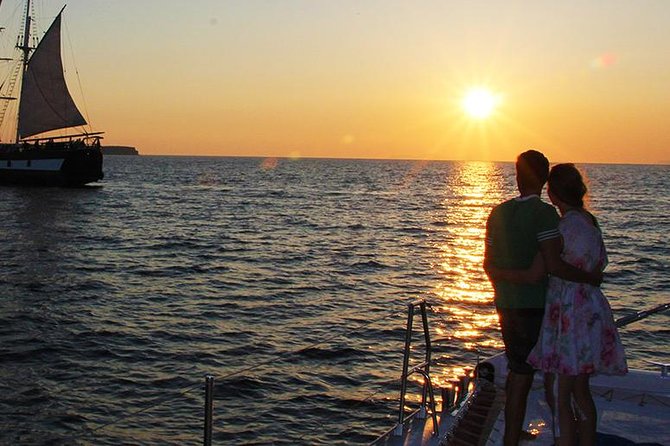
Evenings need not depend on a paid outing. The best sunset spots in Greece can guide travelers toward simple views near the coast or a village. A quiet sunset walk gives the day a memorable end without adding another tour.
Island plans should also allow time for delays or a change in weather. Travelers can keep one light day between longer trips, rather than filling every hour. That approach protects the budget and leaves space for a favorite beach or meal.
Common questions about the best Greece tours
Travelers often compare comfort, meals, and transport before selecting a route. These answers explain what to check when comparing the best Greece tours.
Do the best Greece tours include hotel stays?
Some tours include hotel stays, while others cover only activities, transport, or guides. Travelers should read the offer details and confirm room type, location, and any extra charges before booking.
Are the best Greece tours suitable for older travelers?
Many tours can suit older travelers when walking distance, steps, and rest time match their needs. Travelers should check the route and ask about access before booking. Comfortable shoes and a slower pace can help.
Can the best Greece tours be changed after booking?
Change rules depend on the tour provider, the booking terms, and how close the travel date is. Travelers should check deadlines and possible fees before paying. Written confirmation helps keep any agreed change clear.
Do the best Greece tours need travel insurance?
Travel insurance can help cover some unexpected problems, but the policy sets what is covered. Travelers should compare medical, cancellation, and transport terms. They should choose cover that fits their plans and personal needs.
Are meals included on the best Greece tours?
Meal plans vary, so a tour may include some meals, none, or only breakfast. Travelers can check which meals are listed and whether drinks are included. Local cafes offer another choice when meals are not part of the plan.
Do the best Greece tours reach the islands by ferry?
Many island routes use ferries, though some trips may use flights or private boats instead. Travelers should check which transfers are included and how much time they need at ports. Ferry plans can change with weather or route updates.
Visit Sexy Gossip.